Birds: A quieter kind of pursuit
Birds live on tight energy budgets. Every unnecessary flight costs fuel they need for migration, breeding or simply surviving a cold night. Good birding begins with that knowledge.
Ears first, eyes second, lens last
Arrive at a site and give it ten minutes before raising anything. Listen for contact calls in the canopy, the dry rattle of a wren, the scolding that means a predator or a person is near. Sound maps the place for you and tells you where to sit.
Then use binoculars to confirm what you heard. Only when you understand what a bird is doing, feeding, resting, preening or guarding, does it make sense to photograph it. That order of operations prevents the most common mistake in bird photography: stepping forward for a better angle and flushing the subject.
Watch for signs of stress. A bird that stops feeding to stare at you, repeatedly flicks its wings or tail, or calls insistently is telling you to retreat. Near nests, these signs can precede abandonment, which is why the Audubon Guide to Ethical Bird Photography and the American Birding Association's Code of Birding Ethics both counsel extra distance during breeding season.
Keoladeo, Lake Kerkini and Doñana
Keoladeo National Park at Bharatpur in Rajasthan was created from a former duck-hunting reserve and is now a World Heritage Site. In winter its shallow marshes host painted storks, sarus cranes, darters and a remarkable variety of ducks. Explore by bicycle or cycle-rickshaw along the embankments; the trained rickshaw drivers are often expert spotters.
Lake Kerkini in northern Greece is renowned for wintering Dalmatian pelicans. Boat trips run here, so choose skippers who hold back from roosting and feeding flocks rather than pushing birds into flight for photographs.
Doñana National Park in Andalusia, Spain, combines marshland, dunes and cork oak woodland at the mouth of the Guadalquivir. Visitor centres and hides around El Rocío give fine views of flamingos and spoonbills without stepping into the marsh.
Hula Valley, Falsterbo, Cape May and Point Pelee
Bottlenecks on migration routes concentrate birds into a narrow band of sky. Israel's Hula Valley hosts tens of thousands of wintering common cranes, and its reserve offers covered viewing that keeps visitors away from the feeding fields.
Falsterbo, on Sweden's southwestern tip, sees large numbers of raptors and songbirds funnel south in autumn before crossing the Baltic. Cape May in New Jersey is a celebrated autumn hawk-watch site, and Point Pelee in Ontario draws spring warblers arriving across Lake Erie.
At these places the birds are exhausted. Migrants dropping into a coastal thicket at dawn may have flown all night. Keep to paths, avoid crowding small trees, and resist the urge to push into cover for a clearer view.
A short code for bird photographers
- No playback in breeding season, and never for threatened species. Many reserves ban it outright.
- No baiting of raptors or owls with live or pet-shop prey; it habituates birds to people and roads.
- No gardening around nests: removing leaves for a clearer view exposes chicks to predators and sun.
- No location sharing for nests, owl roosts or rarities on private land.
- Keep moving slowly, low and indirect; never walk straight at a bird.
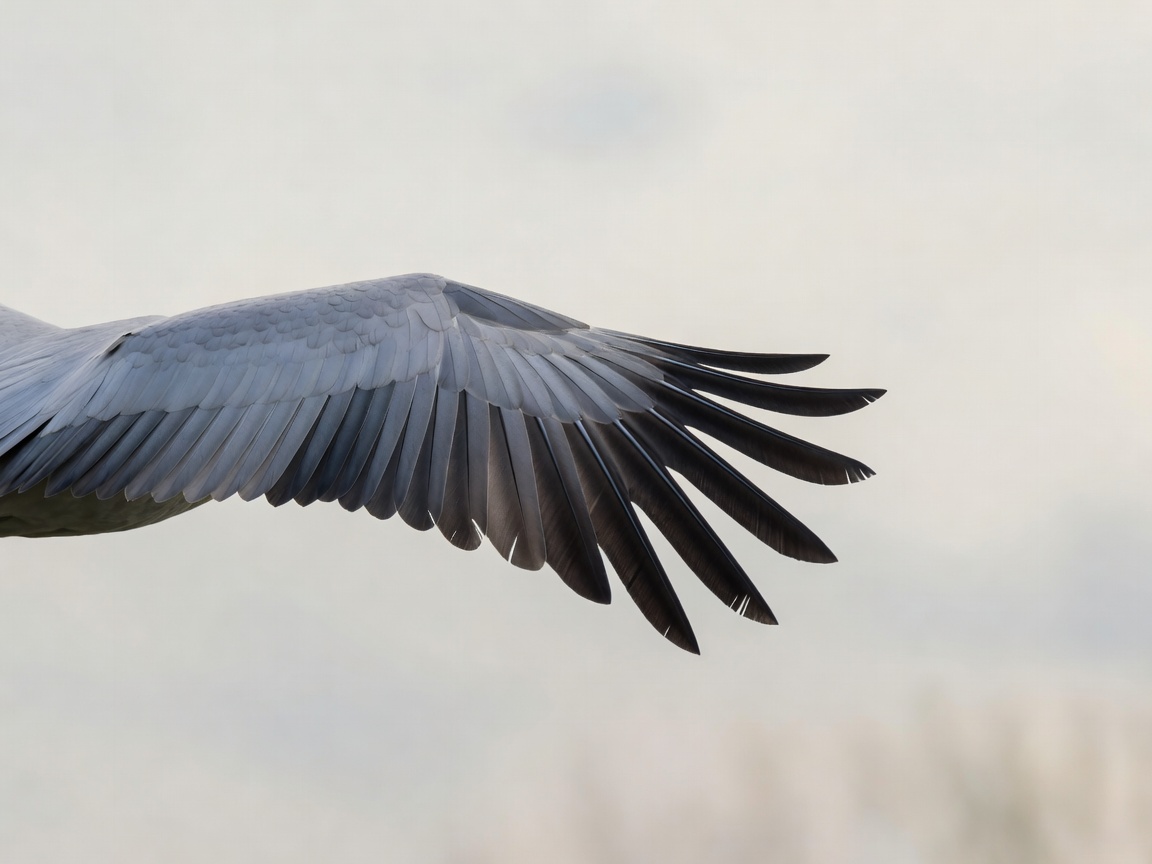
Feather detail of the kind shown on our home page comes from long focal lengths and patience, not proximity. If you need advice on lenses that make this possible, see Camera Gear.
| Site | Country | Best known for | Typical season |
|---|---|---|---|
| Keoladeo National Park | India | Wintering waterbirds | November–February |
| Hula Valley | Israel | Common cranes | Late autumn–winter |
| Falsterbo | Sweden | Raptor and songbird passage | August–October |
| Cape May | United States | Autumn hawk migration | September–November |
| Point Pelee | Canada | Spring warblers | May |
| Lake Kerkini | Greece | Dalmatian pelicans | Winter |