Reserves: Choose habitat, not spectacle
The most crowded sighting is rarely the best one. This guide reads reserves the way an animal experiences them: through water, cover, food and the number of people pressing in.
Why rules matter more than rankings
Lists of "best safari parks" tend to rank by the density of large predators. We prefer to ask three quieter questions. How many vehicles may gather at one sighting? Is off-road driving permitted, and if so, under what conditions? Who benefits from the fees you pay?
The private conservancies bordering the Maasai Mara National Reserve in Kenya, such as Mara North and Olare Motorogi, were created partly to answer these questions. They generally limit the number of tented camps, cap vehicles at a sighting and pay lease fees to Maasai landowners. The result is often calmer cats and more natural behaviour, which is exactly what makes a photograph worth keeping.
Public parks can be excellent too. Kruger's tarred and gravel road network keeps vehicles off the vegetation, and its rest camps make self-driving affordable. The trade-off is congestion at popular sightings, so patience and the willingness to leave a crowded leopard tree are essential.
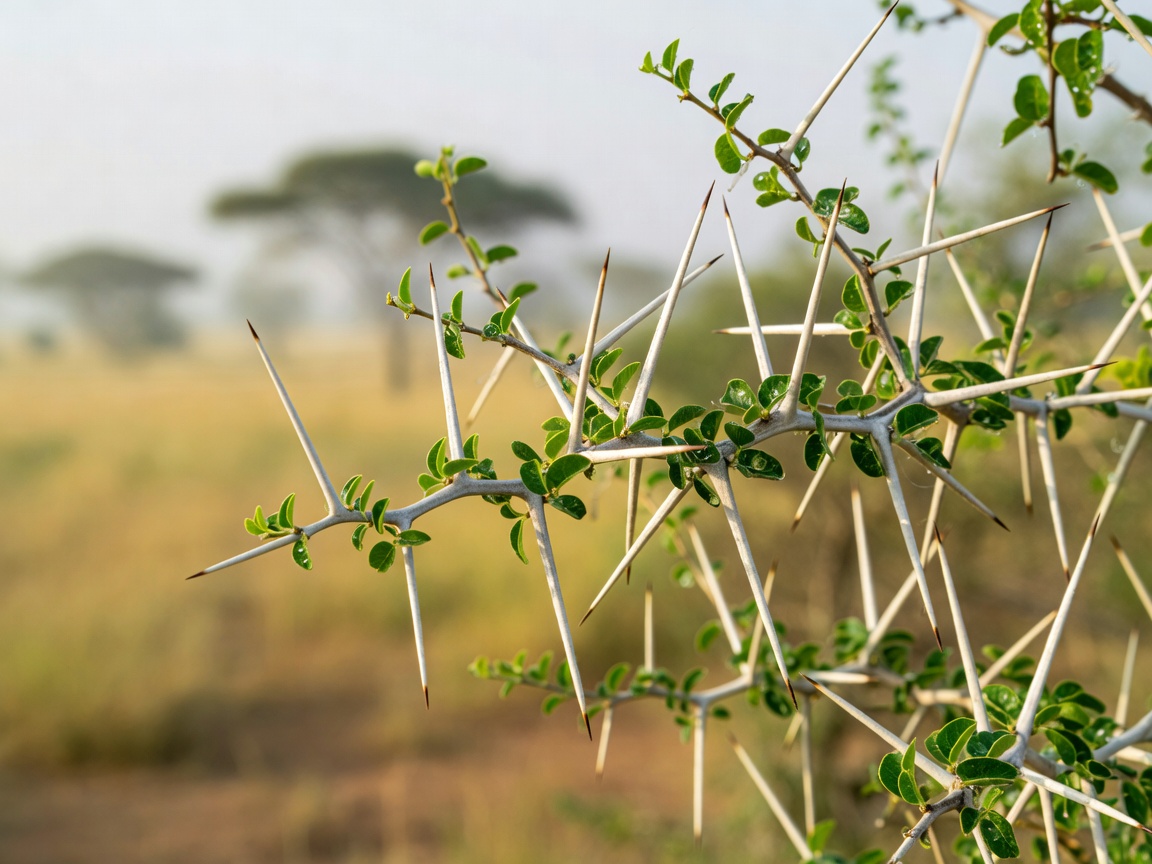
Serengeti, Mara and Kruger
The Serengeti–Mara ecosystem straddles Tanzania and Kenya and hosts the largest overland mammal migration on Earth, with well over a million wildebeest moving in a loop that follows the rains. Serengeti National Park was inscribed as a UNESCO World Heritage Site in 1981.
Open grassland is generous to photographers: long sightlines mean you rarely need to close distance. Use them. Let a lioness walk past your stationary vehicle rather than following her, and you will get eye-level frames without herding her toward a hunt she did not choose.
Kruger, at nearly 20,000 square kilometres, mixes mopane woodland, riverine forest and granite koppies. Its rivers, such as the Sabie and Olifants, are the places to park and wait.
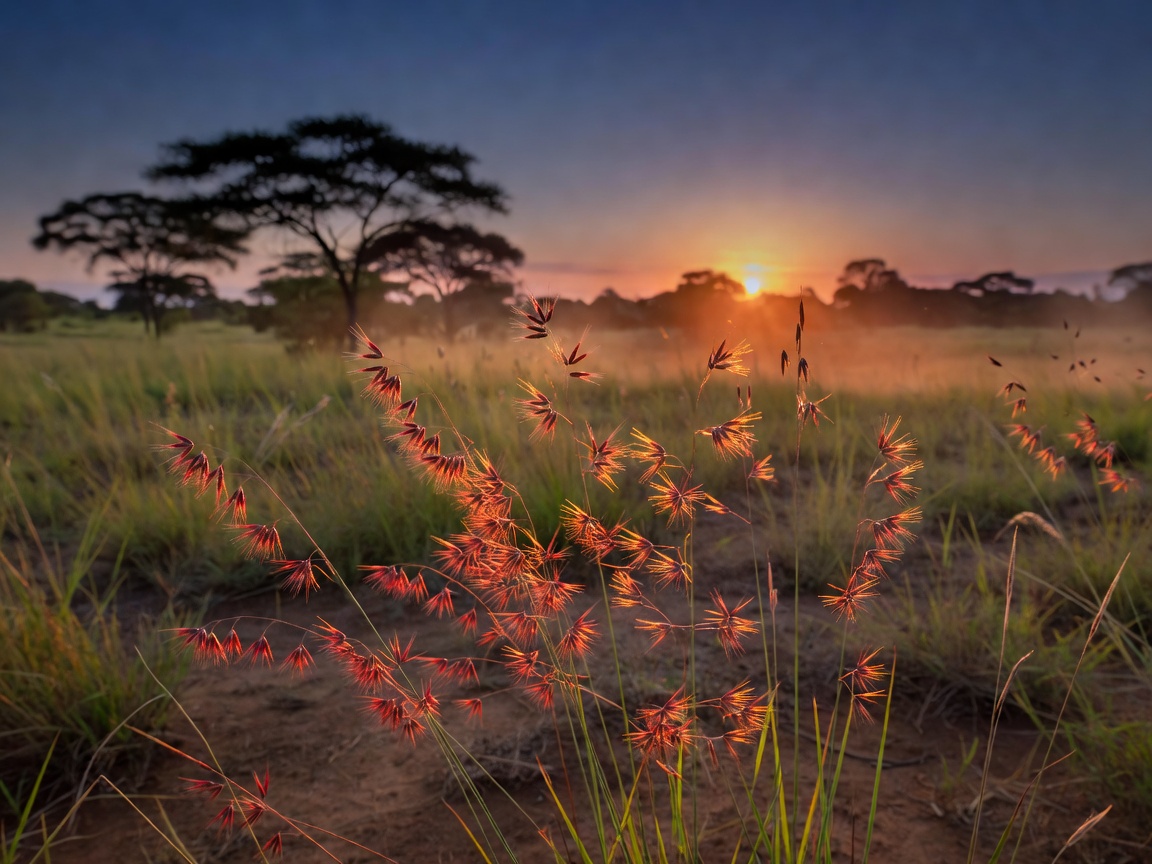
Okavango Delta and the Pantanal
The Okavango Delta in Botswana is an inland delta fed by rains that fall in the Angolan highlands; the floodwater arrives months later, often peaking in the dry winter. In 2014 it became the 1,000th site on the World Heritage List. Botswana's low-volume, high-value approach to tourism keeps camp numbers modest.
A mokoro, the traditional dugout poled by a local guide, is perhaps the quietest way to see wildlife anywhere. You sit at water level, which makes for intimate reed frog and jacana images, but it also means hippos and elephants deserve generous room.
Brazil's Pantanal, one of the world's largest tropical wetlands, is now known for jaguar sightings along the rivers near Porto Jofre. Boat operators there have adopted codes limiting approach distance and the number of boats per cat. Choose those who follow them, and ask before booking.
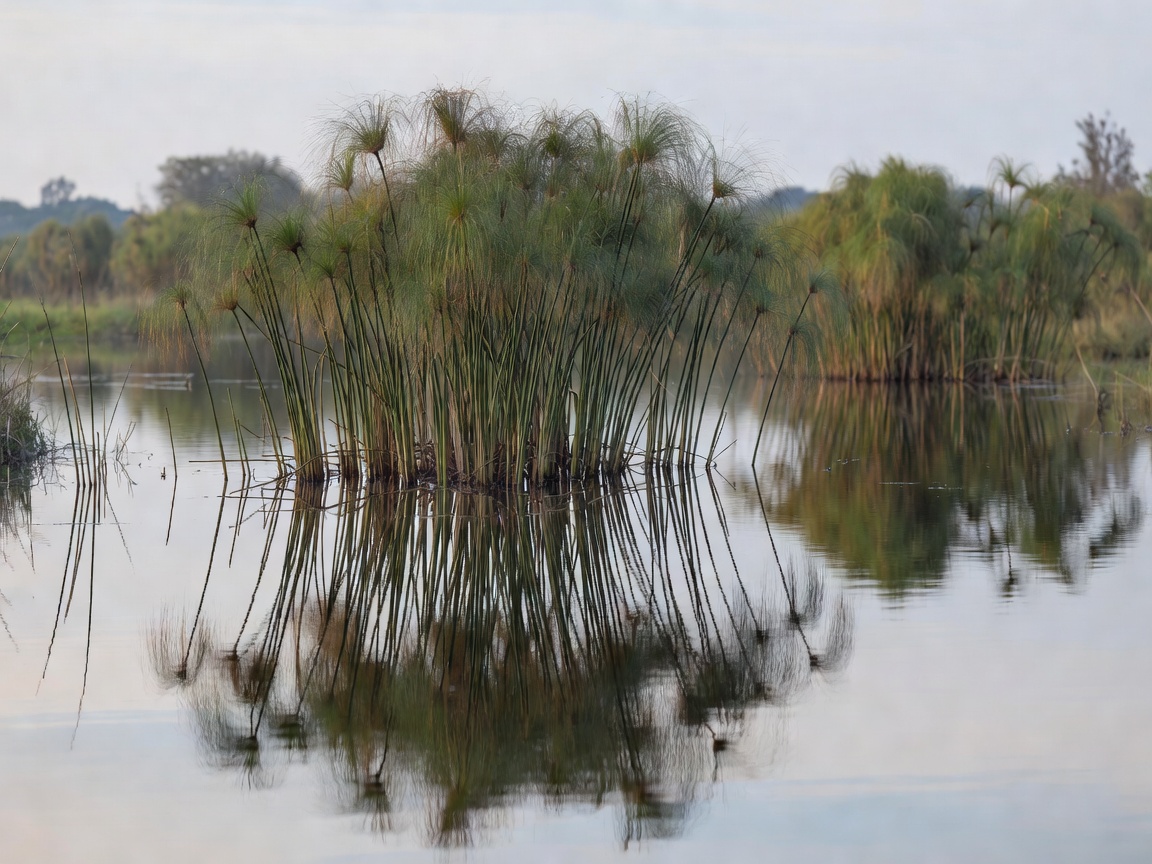
Etosha's waterholes
Etosha National Park in Namibia surrounds a vast salt pan. In the dry months animals converge on springs and waterholes, many of them floodlit beside rest camps such as Okaukuejo and Halali. Here the ethical approach is almost built in: you sit on a bench behind a wall and let elephants, black rhinos and lions arrive on their own schedule.
From a vehicle, park well back and to the side of the approach paths. Animals arriving to drink after a long walk are vulnerable, and a car blocking the trail can turn them away.
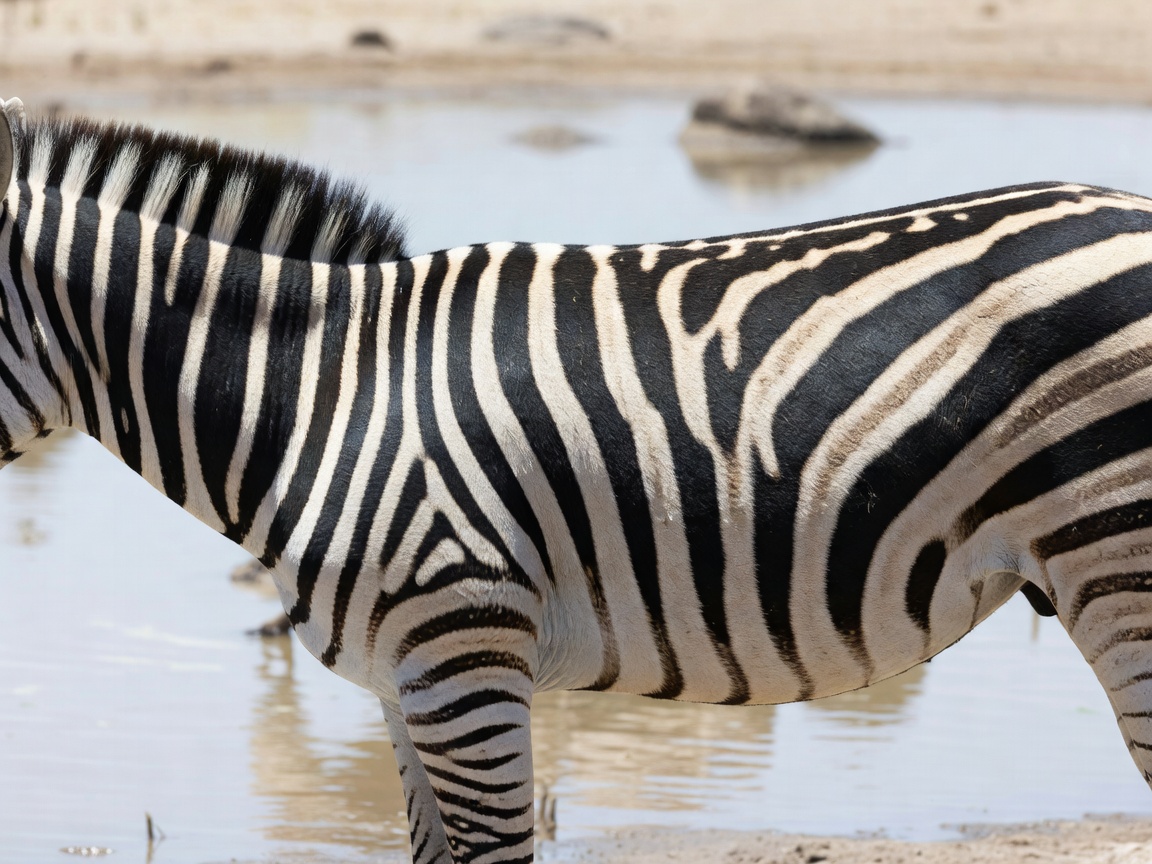
Ranthambore and Kaziranga
Ranthambore in Rajasthan offers dry deciduous forest, lakes and ruins, and tigers that have grown used to vehicles. Access runs through numbered zones and timed permits, and most core zones close for the monsoon. Kaziranga in Assam, a World Heritage Site, protects the majority of the world's greater one-horned rhinoceroses in tall elephant grass and wetland.
In both, a crowd forms quickly when a tiger is reported. Hold back. The vehicle that waits at the far end of a track often sees the animal cross naturally, while the cluster around the last alarm call sees only dust.
| Reserve | Habitat | Viewing style | Considerate practice |
|---|---|---|---|
| Maasai Mara conservancies | Open grassland | Guided vehicle, capped sightings | Book camps that enforce vehicle limits |
| Kruger National Park | Bushveld, rivers | Self-drive or guided | Stay on roads; leave crowded sightings |
| Okavango Delta | Seasonal wetland | Mokoro, boat, vehicle | Wide berth to hippos and elephants |
| Pantanal | Tropical wetland | River boat | Choose operators with jaguar distance codes |
| Etosha National Park | Salt pan, savanna | Self-drive, camp waterholes | Park clear of approach paths |
| Ranthambore / Kaziranga | Dry forest / floodplain grass | Zoned permit safaris | Respect zone rules and monsoon closures |
Ask the operator about vehicle limits, off-road policy and guide training. A company that answers clearly is usually one that cares. Then read our seasonal guide to match the reserve to the right month.