Seasons: Let conditions set the pace
Peak season is peak for people, not necessarily for animals. Understanding why wildlife gathers when it does helps you choose a month that serves both your photographs and the animals' needs.
Water, food and stress
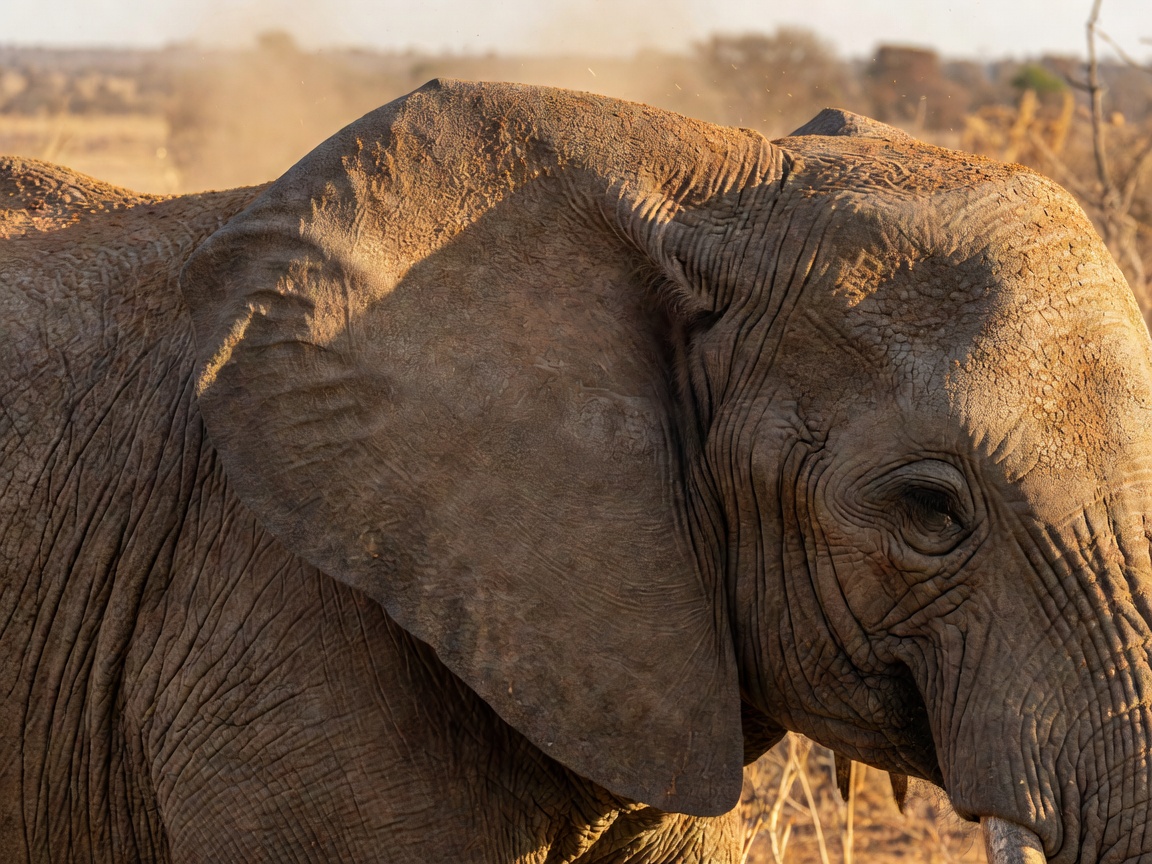
In dry seasons, vegetation thins and animals concentrate near permanent water. Visibility is excellent, which is why June to October is high season across much of Southern and East Africa. But concentration also means pressure: predators patrol waterholes, herbivores are thirsty and wary, and more vehicles arrive. Your presence matters more at exactly the moment animals are most stretched.
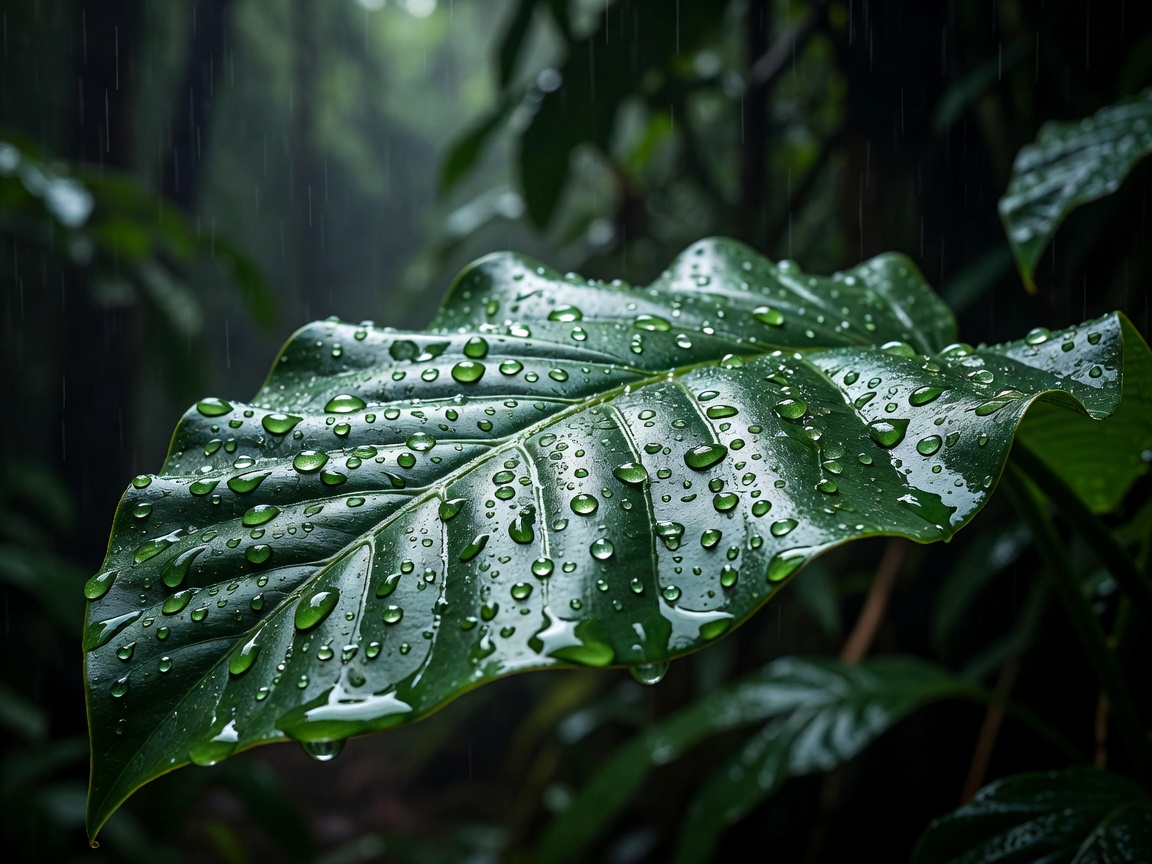
Green or wet seasons bring births, flowers, migrant birds and dramatic skies. Animals disperse, tracks may flood, and some lodges close. Prices fall and crowds thin. For patient photographers, the green season is often the most rewarding time of all, as long as you accept that sightings take longer.
Breeding seasons call for particular care. Young animals and nesting birds are vulnerable; a mother separated from offspring by a careless vehicle can leave them exposed to predators.
Region by region
Patterns below are typical, not guaranteed. Rainfall shifts from year to year, so confirm conditions with local guides before travelling.
Serengeti & Maasai Mara
Calving in the southern Serengeti usually January to March; herds move north through mid-year and Mara River crossings are most often seen July to October.
At crossings, keep vehicles back from the banks. Animals often abandon crossing points when vehicles crowd them.
Kruger & Etosha
Dry season roughly May to October brings thin bush and busy waterholes. Summer rains from about November bring births and migrant birds.
Midday heat in October is hard on animals; give resting groups extra room and shorten sightings.
Okavango Delta
Floodwater from Angola usually reaches the delta in the dry winter months, often peaking around June to August.
High water means mokoro and boat trips; keep generous distance from hippos in channels.
South Luangwa
Walking safaris generally run in the dry season. November to April is the green season, when some areas become inaccessible.
On foot, distance must be greater than in a vehicle. Follow the guide's lead without exception.
Indian tiger reserves
Parks like Ranthambore typically close core zones in the monsoon, around July to September. Kaziranga usually closes from about May or June to October.
Hot months from April to June concentrate animals at water but are tough on everyone. Go early, rest at midday.
Pantanal
Dry season, roughly July to October, is the main jaguar-viewing period along rivers.
Choose boat operators who cap boats per jaguar and keep a set distance from the bank.
Northern flyways
Spring migration peaks in April and May; autumn passage runs roughly August to November depending on species and latitude.
Migrants are exhausted. Stay on paths and never flush birds from cover.
The hours that matter
Near the equator, light changes fast; the soft hour after sunrise and before sunset is short. Many reserves set gate times, and these protect animals' quieter hours as much as they shape your schedule. Respect them rather than pushing for one more sighting at dusk.
Dust in the late dry season softens light beautifully but hides fine detail; rain-cleared air in the green season offers crisp textures. Plan for whichever suits your subject, and let the season set expectations instead of forcing them.
A considerate planning order
- Choose the behaviour you hope to observe, not the trophy species.
- Find the habitat and season where that behaviour happens naturally, using our reserve guides.
- Select an operator with clear rules on distance, vehicles and guiding.
- Match your lens to the distances that habitat requires, using our gear comparisons.
- Build in spare days. Patience is easier when you are not chasing a deadline.
Shoulder months, just before or after peak season, often combine good visibility with fewer vehicles. They are our default recommendation for photographers who value calm sightings.